
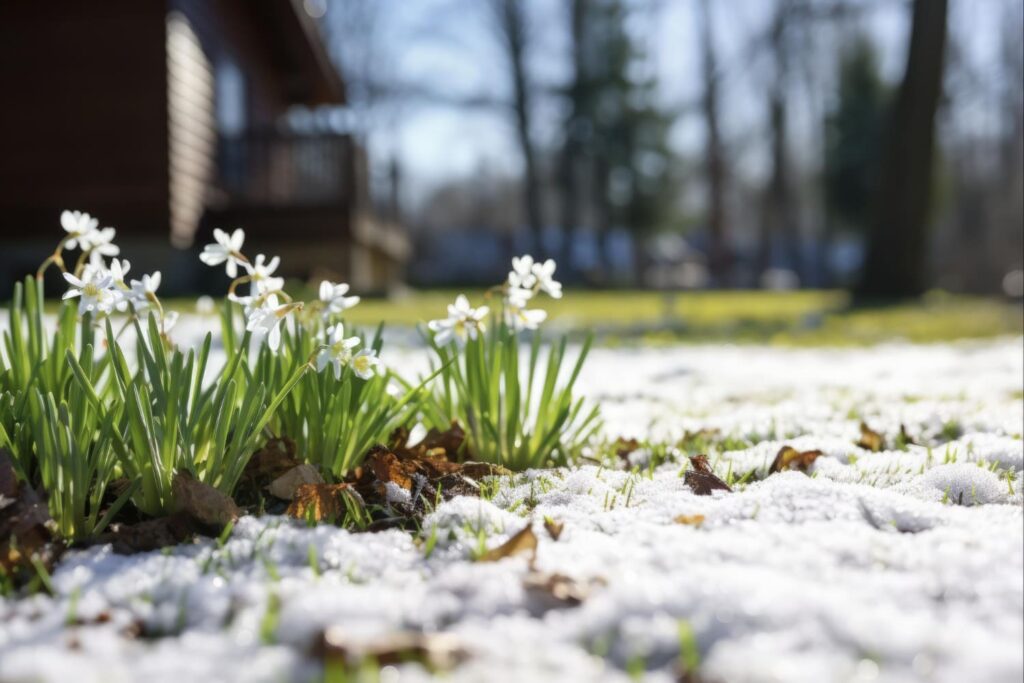
How to prepare a garden for winter is one of the most common questions that owners of plots and home gardens ask themselves as autumn approaches. The winter months are a demanding period – low temperatures, wind, snow and moisture can seriously damage both plants and soil. Well-conducted autumn work ensures that the garden regenerates and rests, and comes back to life faster in spring. Preparing the garden in winter is not just about cleaning up and protecting plants. It’s also taking care of the soil, tools and all the infrastructure, so you can start the new season without unnecessary losses.
Gardening in winter – why is preparation important?
At first glance, it might seem that the garden simply “sleeps” in winter. Meanwhile, life is going on in the soil and under the covers, and perennial plants must survive the harsh conditions. Lack of preparation means that in the spring they can be weakened and the soil depleted. Autumn work helps:
- retain nutrients in the soil,
- Protect root systems from frost,
- Reduce the development of diseases and pests,
- Maintain the biological balance in the garden.
It’s an investment that pays off – your garden will return the favor in the spring with better crops and a healthy appearance.
How to prepare a vegetable garden for winter?
A vegetable garden requires special care, as intensive cultivation quickly depletes the soil. In order for the vegetable garden to rest and regain fertility in winter, it is worth taking care of several key elements.
>> See also: Vegetable seeds
After harvesting, beds should be thoroughly cleaned of plant debris. Stems or leaves left behind can harbor diseases and pests. The next step is to dig the soil – this is best done in late autumn. In winter, frost will naturally break up the soil, improving its structure and aeration.
Autumn is also the best time to fertilize. Compost or well-treated manure will provide the soil with valuable nutrients that plants will use the following season. It is also worth thinking about catch crops, such as rye or mustard. Their function is to protect the soil from erosion and enrich it with organic matter.
Some vegetables can remain in the beds even in winter – for example, kale, Brussels sprouts and leek.Although they are resistant to frost, it is a good idea to lightly cover them with agro-fiberso that they can be harvested more easily even during cold weather.
How to prepare an ornamental garden for winter?
In the ornamental garden, the main goal is to protect plants from low temperatures and drying winds. It is worth wrapping young trees with agro-textile fabric, and sprinkle the roots of roses with soil or bark, creating so-called mounds to protect the roots. Evergreen plants, such as boxwoods and rhododendrons, should be sheltered from frosty winds, as they lose moisture in winter, which they cannot replenish from frozen soil.
In autumn it is also a good idea to trim dry shoots and inflorescences. This makes the garden look neater in winter, and in spring the plants have more energy to grow. It is worth remembering that some perennials and ornamental grasses are best left until spring – their dried stems protect the roots, and under a layer of snow they provide shelter for beneficial insects.
How the garden looks in winter – aesthetics and practice
Although winter is associated with a time of rest, the garden can still be beautiful. Snow-covered conifers, red berries or ornamental grasses give the plot a unique charm. Therefore, it is worth planning plantings so that the garden in winter is not empty and sad, but delightful even on the coldest days.
Preparation of tools and infrastructure
Tidying up before winter is also the moment to take care of tools and equipment. Secateurs, shovels or rakes should be thoroughly cleaned and preserved so that they do not rust. Garden hoses and irrigation systems should be emptied of water and stored so they won’t crack in the cold. Pots and containers with delicate plants are best moved to a cool but frost-proof room.
Summary
If you are wondering how to prepare your garden for winter, remember that a comprehensive approach counts. Tidying up the vegetable garden, fertilizing the soil, protecting ornamental plants and caring for tools are the basic steps that will ensure that the garden will survive the winter without any problems.
This will ensure that the garden in winter is not only safe for plants, but also visually attractive. In turn, a properly prepared vegetable garden in winter will ensure a fertile crop and healthy soil the following season. It’s an effort that really pays off – because every hour spent in the garden in autumn is an investment in a beautiful and bountiful spring.

